
In development · Devnet prototype
Private transfers
and programs on Solana
Send SPL tokens without publishing the sender, recipient or amount, and run Noir programs over notes you own. Each action carries a zero-knowledge proof that a Solana transaction verifies.
A short history of money
Money has changed
form many times
Money has been shells, metal coins, paper notes and bank ledgers. Public blockchains made payments easy to verify, and also made every payment readable by anyone.

Prehistory Shell money 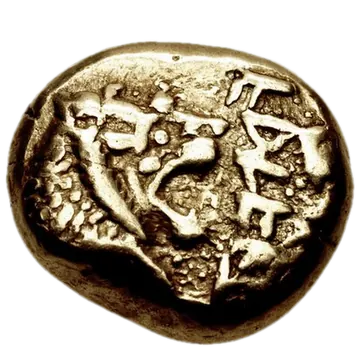
c. 600 BC Electrum trite, Lydia 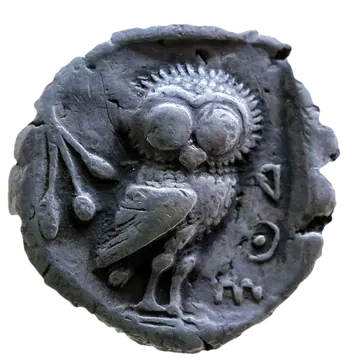
c. 490 BC Silver tetradrachm, Athens 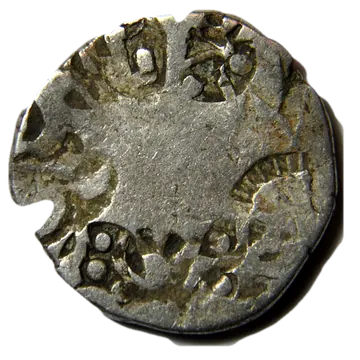
c. 400 BC Karshapana, Magadha 
c. 10 BC Denarius, Rome 
6th c. Solidus, Constantinople 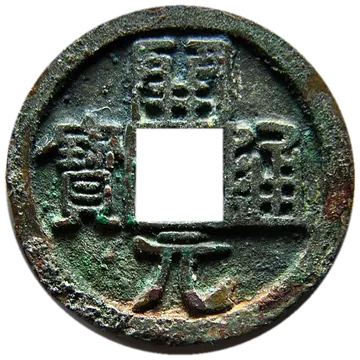
621 Kaiyuan Tongbao, Tang China 
707 Gold dinar, Umayyad Caliphate 
1491 Gold ducat, Hungary 
c. 1640 Mohur, Mughal Empire 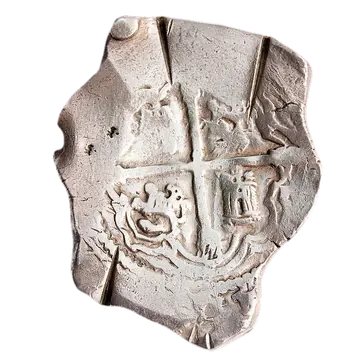
1600s Eight reales, Mexico City 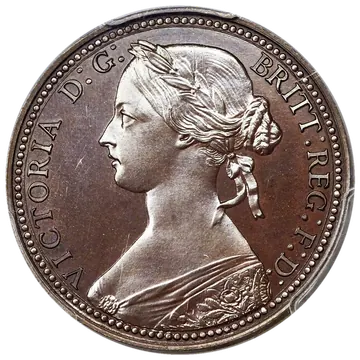
1860 Penny, Britain 
1878 Morgan dollar, United States 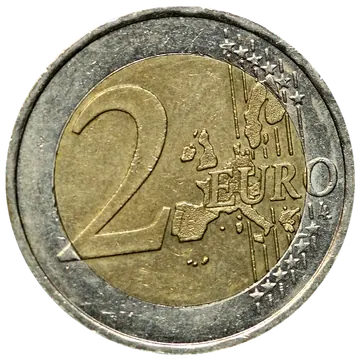
2002 €2, Eurozone 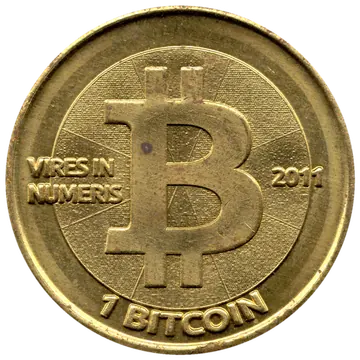
2009 Bitcoin 
Next Polypus
On Solana, every transfer is public. Anyone with a block explorer can look up your balance, who you paid, who paid you and how much.
Polypus adds a shielded pool to Solana. You can send SPL tokens or run your own programs without publishing those details. Each action is settled by a Solana transaction that checks a zero-knowledge proof, and anyone can look that transaction up.
How it works
One private transfer,
step by step
Scroll to follow a devnet transfer from your wallet to its Solana receipt. You can change the amount and recipient first. Nothing is sent.
- 01
Shield
Your USDC moves into the Polypus pool as a note that only your keys can spend.
- 02
Encrypt
The note is encrypted to the recipient. The pool stores only a commitment, a hash that hides the amount and owner.
- 03
Prove
Your device builds a zero-knowledge proof that the transfer is valid. Amounts and keys never leave it.
- 04
Settle
A relayer submits the transaction. The Polypus program on Solana checks the proof and records the new note.
Transfer
Review
- Token mint
- 4zMMC9…JDncDU
- Network fee
- 0.000005 SOL
- Recipient receives
- A private note
- New commitment
- cm_5RtWq8…Kd2NhY
- Spent nullifier
- nf_8GxPv3…sT6mQe
- Encrypted note
- 184 bytes
- Constraints
- 0 / 31,207
- Elapsed
- 0.00 s
- Signature
- 5vGr8L…kQiCx2
- Program
- PoLYpu…nK5uB7
- Slot
- 318 204 556
- Status
- Finalized
Private programs
Write programs that
keep their inputs private
Private programs launch alongside private transfers. Developers write them in Noir, over notes that users own: escrow, private payroll, or a balance proof that shows you hold enough without showing how much. Each run produces a proof, and a Solana transaction checks it.
Illustrative. Timings, slot and signature are examples.


Your money should be private.
In development. Join the waitlist for devnet access and release notes.
Placeholder form: nothing is sent or stored yet.